HVAC Emergency Repair: What to Do When Your System Breaks Down & Same Day Solutions
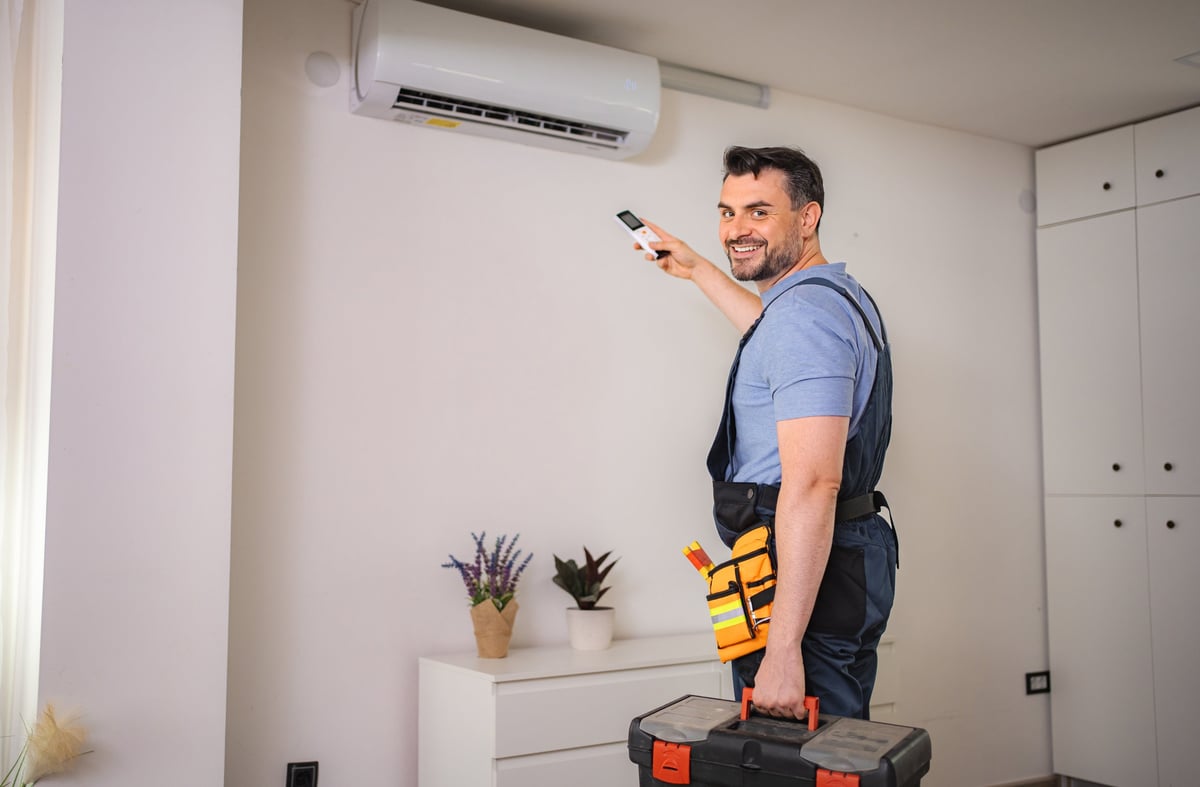
When your HVAC system fails in Coastal Georgia, the clock starts ticking. Whether it's the peak of summer heat or an unexpected winter cold snap, a broken heating and cooling system isn't just an inconvenience—it's an emergency that demands immediate action.
This HVAC emergency repair guide walks you through exactly what to do when your system breaks down, the quick checks you can perform yourself, and how to get same day HVAC repair in Savannah, Pooler, Richmond Hill, and throughout Coastal Georgia.
At Coastline Heating & Air, we understand that HVAC emergencies don't wait for convenient times. That's why we offer 24/7 emergency HVAC repair service throughout the Savannah metropolitan area and surrounding communities. When you need us most, we'll be there—typically within hours, not days.
Need Emergency HVAC Repair Now?
Our certified technicians are standing by 24/7 for emergency service calls.
Call (912) 445-1233 — Available NowWhat Is an HVAC Emergency?
Not every HVAC problem qualifies as an emergency. Understanding the difference between a routine repair and a true HVAC emergency can save you time, money, and unnecessary stress.
An HVAC emergency is any situation where your heating or cooling system poses a risk to your safety, health, or property—or where delaying repair could result in significantly more expensive damage. These situations typically involve:
- Complete system failure during extreme weather conditions (very high summer heat or freezing winter temperatures)
- Gas leaks or the smell of natural gas in or around your HVAC equipment
- Electrical problems including burning smells, sparking, or smoking from your HVAC unit
- Water damage from a malfunctioning air conditioner or HVAC system
- Carbon monoxide warnings from detectors or any signs of CO exposure
- Frozen or ruptured pipes related to your heating system
If you're experiencing any of these symptoms, stop reading and call for emergency HVAC repair immediately. Your safety comes first.
Why HVAC Emergencies Are Urgent
Living in Coastal Georgia means dealing with intense summer heat and humidity, with temperatures regularly climbing into the 90s during peak season. In these conditions, a failed air conditioning system can go from uncomfortable to dangerous within hours—particularly for young children, elderly family members, and anyone with respiratory or cardiovascular conditions.
But it's not just about comfort. When your HVAC system breaks down, several cascading problems can occur:
- Heat-related illness risk increases rapidly. Without functioning air conditioning during Georgia summers, indoor temperatures can quickly reach unsafe levels, especially in homes with poor ventilation or direct sun exposure.
- Moisture and humidity cause damage. When your AC stops working, humidity levels inside your home can spike dramatically. This leads to mold growth within 24-48 hours, water damage to walls and flooring, and damage to electronics, furniture, and personal belongings.
- Small problems become expensive repairs. What starts as a minor issue—a refrigerant leak, a failing capacitor, a dirty filter—can cascade into catastrophic system failure if not addressed quickly. Emergency HVAC repair costs are often significantly lower than the cost of full system replacement due to delayed repairs.
- Lost productivity and disrupted routines. For business owners, a broken HVAC system affects employee comfort, customer experience, and potentially regulatory compliance. For homeowners, it affects sleep, work-from-home capabilities, and overall quality of life.
Bottom line: Calling for same day HVAC repair when you first notice a problem—even before it becomes a full emergency—typically costs less and causes less disruption than waiting for a complete breakdown.
Step 1: Quick Checks Before Calling for Emergency HVAC Repair
Before you call for emergency HVAC repair service, there are several things you can check yourself. Many HVAC "emergencies" turn out to be simple issues you can resolve in minutes—saving you the cost of an emergency service call and getting your comfort restored faster.
Check Your Thermostat
It sounds obvious, but many service calls turn out to be thermostat issues:
- Is the thermostat set to the correct mode? (Cool for air conditioning, Heat for heating)
- Is the temperature set lower (for cooling) or higher (for heating) than the current room temperature?
- Is the thermostat set to "Auto" rather than "Fan Only"?
- Is the display working? If the screen is blank, check the batteries
- For smart thermostats, check that it's connected to Wi-Fi and functioning properly
- Is the schedule programming correct? The thermostat may be in an unoccupied setting
Check Your Circuit Breaker
A tripped circuit breaker is one of the most common causes of HVAC system shutdowns:
- Locate your electrical panel (usually in a basement, utility room, or hallway)
- Look for a breaker that's in a different position from the others or that's tripped to the middle position
- First, turn the breaker fully OFF, then flip it back to ON
- Wait about 30 seconds, then try your thermostat again
- If the breaker trips repeatedly, do not keep resetting it—this indicates a serious electrical problem that requires professional attention
- Make sure no other high-draw appliances are running on the same circuit
Check & Replace Your Air Filter
A dirty or clogged air filter can cause your HVAC system to shut down or operate inefficiently:
- Locate your air filter—it's usually in the return air duct, near the indoor unit, or behind a ceiling/wall grille
- Turn off your HVAC system before checking or replacing the filter
- Remove the filter and hold it up to a light source. If you can't see light through it, it's time for a replacement
- Check for visible dirt, dust, pet dander, or debris buildup
- Note the filter size (printed on the frame) so you purchase the correct replacement
- Install the new filter with the airflow arrow pointing toward the blower/furnace
- Set a reminder to check/replace every 1-3 months, especially during heavy-use seasons
Check the Condensate Drain Line
Your air conditioning removes moisture from the air, and this water drains away through a condensate line. If this line becomes clogged, it can trigger a safety shutoff or water damage:
- Locate the condensate drain line—typically a white or gray PVC pipe near your indoor unit
- Check for water puddling around the unit or drain pan
- Look for blockages at the drain line exit point (often near a floor drain or outside)
- If you can access it safely, use a wet/dry vacuum to clear minor clogs
- A mixture of equal parts water and vinegar poured into the drain line can help clear algae and buildup
- If water is backing up into your home, place towels or a wet vac beneath the unit and call for service
Common Causes of HVAC Breakdowns
Understanding why HVAC systems break down can help you prevent emergencies and recognize early warning signs. In Coastal Georgia, certain issues are more prevalent due to our climate and usage patterns.
Refrigerant Leaks
Low refrigerant causes poor cooling, higher bills, and can damage your compressor. Georgia's long cooling season puts extra strain on AC systems.
Failed Capacitors
The capacitor starts your AC compressor and fan motors. Hot Georgia summers accelerate capacitor failure—it's one of the most common AC repair calls.
Frozen Evaporator Coils
Restricted airflow or low refrigerant causes coils to freeze. You'll see ice on the unit and warm air coming from vents.
Dirty Air Filters
Clogged filters restrict airflow, reduce efficiency, and can cause system shutdown. Change filters monthly during heavy use seasons.
Clogged Condensate Drains
Georgia's humidity means more condensate. Clogged drains trigger safety switches and can cause water damage to your home.
Electrical Problems
Worn contactors, faulty wiring, and tripping breakers are safety hazards. Never ignore burning smells or sparking from HVAC equipment.
Blower Motor Failure
The blower distributes conditioned air throughout your home. A failing motor produces weak airflow, unusual noises, or complete failure.
Thermostat Malfunctions
A faulty thermostat gives incorrect readings or fails to signal the HVAC system properly. Sometimes it's as simple as replacing batteries.
When to Call for Emergency HVAC Repair Immediately
Some HVAC situations can't wait. If you're experiencing any of the following, stop what you're doing and call for emergency HVAC repair service right now. These scenarios involve potential safety hazards that require immediate professional attention.
Total System Failure in Extreme Heat
When your air conditioning fails completely during a Georgia summer—with temperatures outside pushing 90°F or higher—indoor temperatures can climb into the danger zone within just a few hours. This is especially true for:
- Homes with poor insulation or ventilation
- Rooms on upper floors that trap heat
- Direct sunlight exposure through windows
- Residents who are very young, elderly, or have health conditions
- Pets left at home
What to do: If anyone in your home is showing signs of heat exhaustion (dizziness, nausea, rapid heartbeat, confusion), seek cooler air immediately—visit a neighbor, a public building with AC, or a cooling center. Then call for emergency AC repair.
Gas Smell
If you smell natural gas (often described as a sulfur smell or similar to rotten eggs), this is a serious emergency. A gas leak in your HVAC system can lead to:
- Risk of explosion
- Carbon monoxide exposure
- Fire hazard
What to do RIGHT NOW:
- Don't turn on any lights or electrical switches (they could create a spark)
- Don't use your phone inside the house if possible
- Open windows and doors to ventilate if it's safe to do so
- Turn off the gas at the meter if you know how and can do it safely
- Get everyone out of the building immediately
- Call your gas company from outside, or use a cell phone from a safe distance
- Call for emergency HVAC repair after the gas company has confirmed it's safe
Electrical Burning Smell or Sparks
Any burning smell, smoking, or electrical sparking from your HVAC equipment indicates a serious problem that requires immediate attention. Common causes include:
- Failed motor bearings (often smells like burning rubber)
- Overheating electrical components (acrid, sharp smell)
- Worn or frayed wiring (can produce burning plastic smell)
- Failed capacitor (sometimes accompanied by a buzzing sound)
What to do: Turn off your HVAC system at the thermostat immediately. If you can safely reach your electrical panel, turn off the circuit that powers your HVAC. Then call for emergency HVAC repair. Do not restart the system until a professional has inspected it.
Water Actively Flooding
While some water leakage from your AC is normal (condensate), active flooding is not. Large amounts of water pooling around your HVAC equipment can indicate:
- A ruptured condensate pan
- A severely clogged condensate drain
- A major refrigerant leak that's causing the coils to ice over and then melt
- Problems with the float switch that hasn't shut the system down
Water damage spreads quickly and leads to mold growth, structural damage, and ruined flooring and belongings. An AC repair in Savannah GA or your area can quickly diagnose and fix these issues before they cause major damage.
What to do: Turn off your HVAC system. Place towels, a wet/dry vac, or buckets to contain the water as much as possible. Call for same day HVAC repair. If water is near electrical outlets or panels, call a professional immediately.
Don't Wait—Get Help Now
Our emergency technicians are standing by 24/7
What to Expect from Same Day HVAC Repair
When you call Coastline Heating & Air for emergency or same day HVAC repair in Coastal Georgia, here's what the process looks like from your first call to restored comfort:
Your Emergency Call
When you call (912) 445-1233, you'll reach a real person—not an automated system. Describe your HVAC emergency, and we'll immediately dispatch a certified technician. We provide estimated arrival times and stay in contact until help arrives.
Diagnostic Assessment
Upon arrival, our technician will perform a comprehensive diagnostic assessment of your HVAC system. This includes checking the thermostat, electrical connections, refrigerant levels, components for wear or damage, and airflow measurements. We'll explain exactly what's wrong before any work begins—no surprises.
Upfront Pricing
Before we start any repairs, you'll receive a clear, upfront price estimate. We charge by the job, not by the hour—so you know exactly what you're paying. If the repair is simple and can be completed quickly, we'll tell you. If it's more complex, we'll still give you the full cost before proceeding.
Quality Repairs
Our technicians carry fully stocked service vehicles with commonly needed HVAC parts. Most emergency repairs can be completed on the first visit. We use quality replacement parts backed by manufacturer warranties, and all work is guaranteed.
Prevention Recommendations
Once your system is running again, we'll share practical tips to help prevent future breakdowns. This might include filter change schedules, thermostat settings for efficiency, signs of potential problems to watch for, and recommended maintenance intervals for your specific system.
Our Same Day HVAC Repair Service Areas
We provide same day and emergency HVAC repair throughout Coastal Georgia, including:
Need Emergency or Same Day HVAC Repair Now?
Don't suffer through a broken HVAC system. Our certified technicians are standing by 24/7 to restore your comfort—typically with same day service throughout Coastal Georgia.